![[tel]020 7433 1863[tel]](http://www.lilyskitchen.co.uk/cdn/shop/files/contact.svg?v=1747219162&width=32)

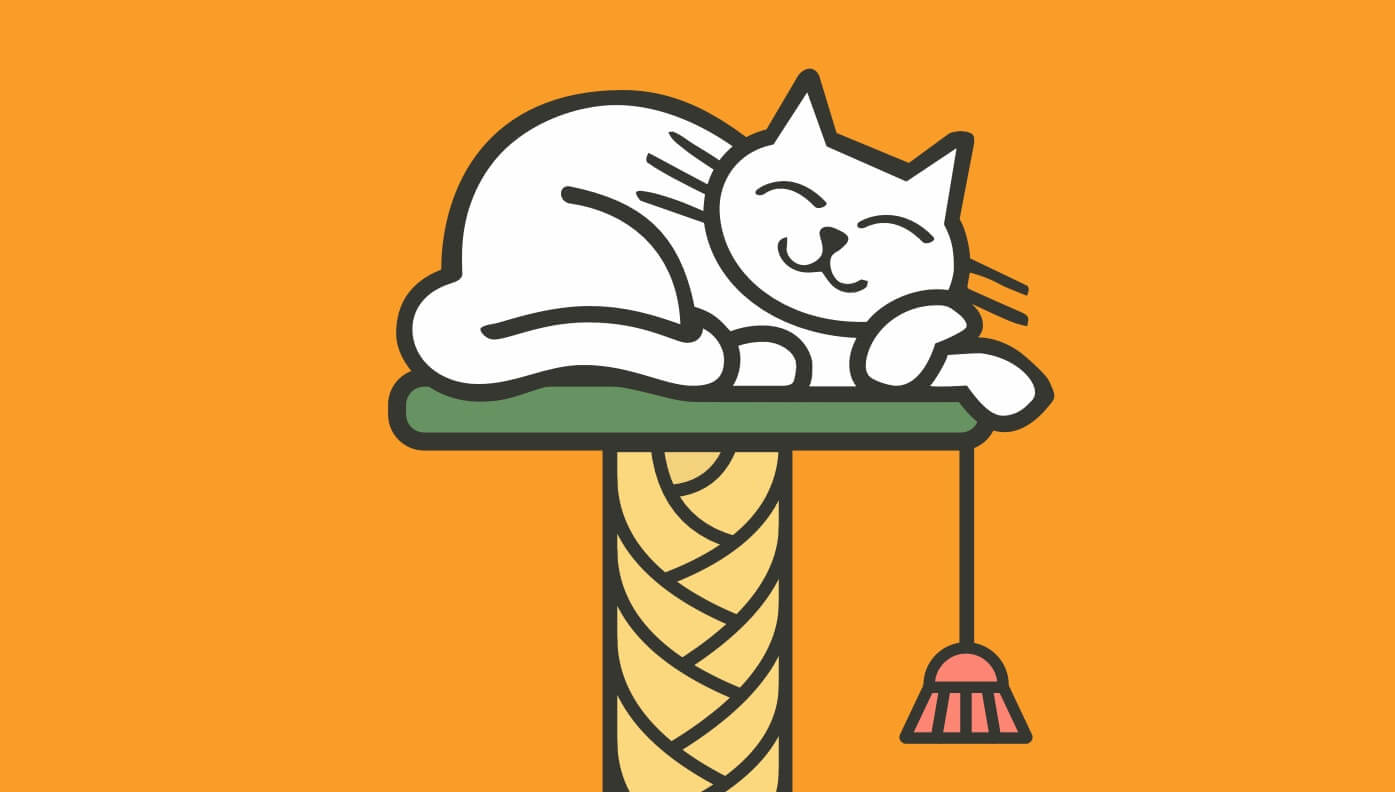
Ever wondered where you cat was, only to find them perching from the top of your fridge, cupboard or bookshelf, like a sleepy, purring ruler surveying their kingdom (your household)? Us too. Turns out it’s a cat thing. Never mind the bespoke cat bed you spent £275 on.
So, why do cats like to sit up high? From inherited natural instincts to locating the perfect suntrap, Rory the Vet gives us his expertise.
MEET RORY THE VET

Starting with his degree from the Royal Veterinary College, Rory has since co-starred in the CBBC’s series The Pet Factor, shared his knowledge on the likes of Blue Peter and written all about it in his book, Secret Life of a Vet.
Follow him on Instagram
From Wild Cats to Your Sofa
Seeking high places and surveying the area from above is an instinctual need cats have inherited from their wild ancestors. In the same way a leopard would climb a tree to both locate their prey and steer clear from potential danger, your domesticated cat will climb a bookshelf to garner a great advantage point to find prey (mice and birds) while at the same time ensuring their safety from predators. You may think, but my cat doesn’t have to worry about potential predators. Regardless, this instinct remains ingrained in their biological makeup.

Feeling Safe & Sound
Another reason why a cat might choose to lounge up high is because it makes them feel safe and secure—so much so, that it can lead to stress behaviours if a cat can’t locate a spot. Here, they can relax without feeling vulnerable, while being in prime position to see all the goings on of their household. This is especially the case for cats who are feeling anxious or unwell.
The Perfect Spot for “Me Time”
An elevated area where no one can reach them (at least not without a little difficulty) provides your feline friend with an escape from household chaos, whether that be noisy children, dogs, another cat or visitors. Being private creatures, it’s very important for cats to have their own space they can retreat to when they need to recharge. Provide them access to other high areas (top shelves of bookcases or the top of cupboards are often good spots) to help your kitty feel calm and at home.

Sunny, Warm & Cosy
Cats adore warmth. Whether it’s sitting by radiators or catching sun rays by the window, they love to seek out the sunniest or warmest places to snooze. High areas are perfect locations, as they often catch more sunlight or are warmer, since warmer air rises. Your cat will be especially keen to secure their elevated spots during colder months, when the floor is too cold for a catnap.
Create the Ultimate Cat Climbing Playground
To keep your cat happy and stimulated, create plenty of climbing opportunities and vertical spaces around your house. Observe your feline’s preferences then create identical areas for them to frequent or make their favourite spot even better by adding their blanket.
Creating vertical spaces is easy – simply make sure the top shelf of your bookcase or similar is clear and easily accessible, removing any potential dangers they can knock off.
You can also buy shelves or window perches made especially for cats, as well as tall cat trees, which will do the trick!

Be Cautious!
Always make sure that your cat is safe! Keep windows secure, add screens or provide safe climbing furniture if necessary. Ensure that your cat can get up and down easily from their spot(s) and that anything you install for their use is secure and able to hold their weight.
Wrapping It Up: Love Your Cat’s Quirks
There are a few reasons why our furry companions like to seek higher ground, whether it’s to have an epic snooze, for warmth in winter, to observe without being seen, to feel secure and safe, or for instinctual reasons. Let your cat enjoy their “castles”—it’s just another lovable quirk in the long list of feline eccentricities. Onwards and upwards, kitties!
The information in this article is intended as a guide to help pets and pet parents on their journey together. It is provided for educational and informational purposes only and is not meant as a substitute for professional advice from a vet, behaviourist, trainer or other professional. We encourage all pet parents to consult with their vet and/or behaviourist to ensure their pet’s specific needs are met.
Published on 29/04/2026