![[tel]020 7433 1863[tel]](http://www.lilyskitchen.co.uk/cdn/shop/files/contact.svg?v=1747219162&width=32)

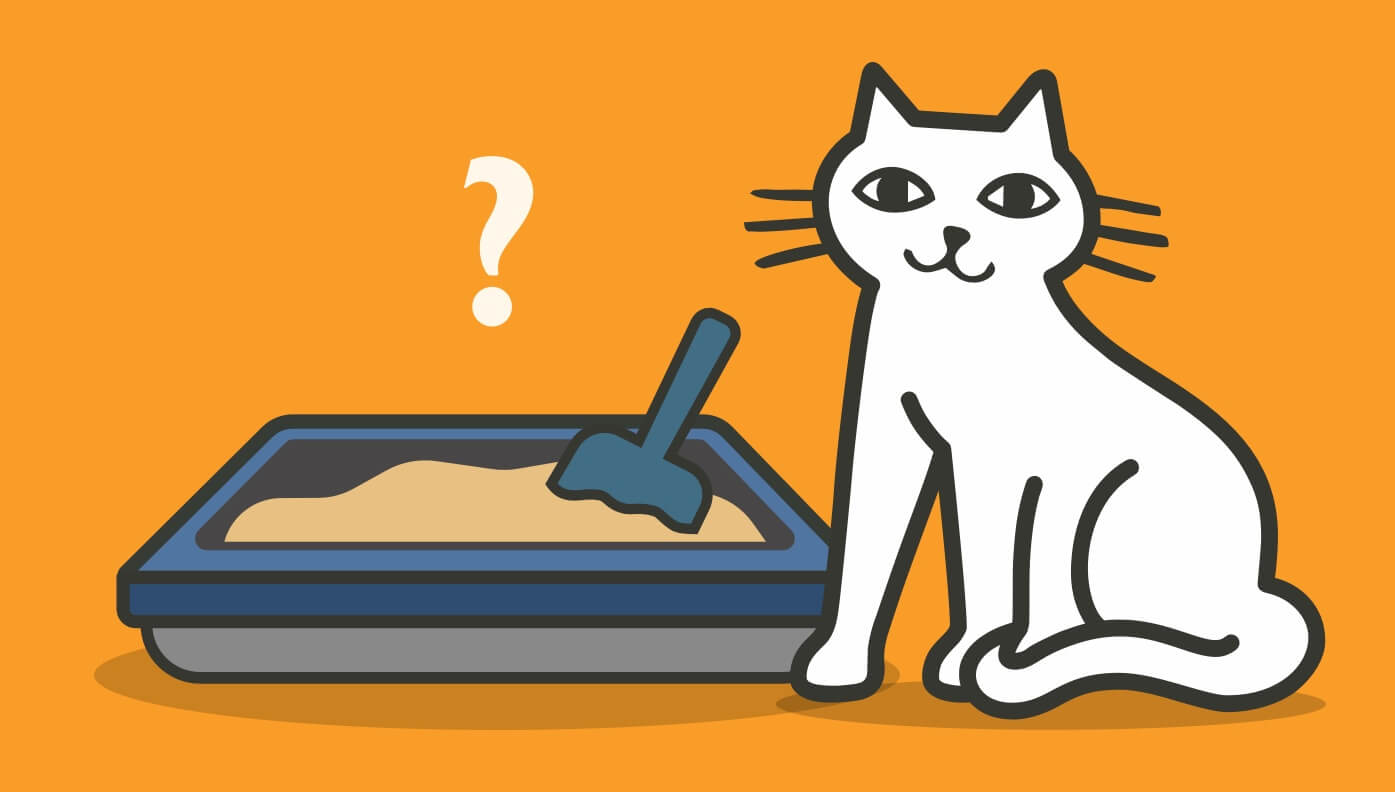
Has your feline friend suddenly decided to ditch their litter box in favour of peeing in other spots around the house? Something could be wrong. A new behaviour or a change in a previous behaviour is often the first sign that something isn’t right. Cats are known for being clean animals, and it can be tempting to jump to the conclusion that yours has decided to punish you, say, because you went on holiday or didn’t feed them dinner on time. Rather, this behaviour in fact indicates an underlying problem that needs to be addressed. Rory the Vet is here to help with a breakdown of potential causes and what you can do to help get your furry companion back to normal.

Starting with his degree from the Royal Veterinary College, Rory has since co-starred in the CBBC’s series The Pet Factor, shared his knowledge on the likes of Blue Peter and written all about it in his book, Secret Life of a Vet.
Follow him on Instagram
Common Causes of Cats Peeing Outside the Litter Box
Common Medical Issues
Sometimes a change in toileting habits can signal a health issue. Book in a visit with your vet as soon as possible and inform them of any other behavioural issues you have witnessed from your cat beyond urinating in unusual spots. They may ask for urine or blood samples to distinguish what the cause is.
Stress or Anxiety
-
Changes in environment: Such as a move to a new house or even putting their litter box in a new spot.
-
Conflict with other pets. Whether you’ve introduced a new furry family member or they’re feeling threatened by current pet of yours.
- Loud noises: Cats feel the most vulnerable when toileting, so loud noises or disruptions near their litter box may make it feel unsafe for use. More on this later.

Another reason why your kitty might be choosing to pee outside of their box is because they’re unhappy with it! Cats are very particular about where they toilet. Here are a few issues they may be having with yours:
-
Cleanliness: Extremely important. Remember, a cat’s sense of smell is much stronger than ours, so what may seem clean to us may not be for your cat’s standards.
-
Type of litter: There are all kinds of litter out there, from scented to options with different textures. Not every type with work for every cat.
-
Accessibility: Your cat needs to easily be able to reach their box for frequent use.
- Size and style: Just like litter types, there are also different shapes and styles of boxes. Finding the right one for your cat and their size will take some consideration.

Location of the Litter Box
-
Inconsistent areas: Cats like routine. Continuously moving your litter box in different areas of the house can cause stress. Find the perfect spot then keep it there.
-
High traffic or noisy areas: Put their litter box in private areas where there are less likely to be disturbed and away from household noises like washing machines.
-
Near food or water bowls: Cats prefer to keep these separate.
Speaking of food, for guidance on what you should avoid feeding your cat, head here.
How to Stop Your Cat Peeing Outside the Litter Box
Step 1 – Rule Out Medical Causes
- Urine sample/testing: Consult with your veterinarian the first instance your cat urinates elsewhere. A urine sample or blood test will rule out any medical causes.

Step 2 – Clean Soiled Areas Thoroughly
- Remove poop or pee twice a day
- Clean the tray at least once a week (throw out all litter and wash the tray in hot, soapy water or with a cat-safe cleaner. Do not use an ammonia-based cleaner as this will make the marking worse!).
Step 3 – Improve the Litter Box Setup
- For those with multiple cats, make sure you have one more litter box than the number of cats you own. Keep each box in separate rooms.
- Experiment with litter types to determine which one your cat prefers the most. It’s best to avoid scented litter as this could put them off. You could even try soil if your cat is used to going outside! It’s also worth noting that most cats prefer the litter they used as a kitten.
- Find the right box/tray for your cat. Elderly cats or those with mobility issues may prefer low trays that enable them to easily get in or out. Those with multiple cats may be better off avoiding covered trays as this can make some cats uneasy if they can’t see where the other cat is.

Step 4 – Address Environmental Stressors
- Feliway diffusers or calming sprays: Calming pheromones can help anxious cats.
- Provide hiding spots: Cats need a safe space of their own should they need to retreat and decompress.
- Enrichment: Cat enrichment can help reduce stress. Dedicate time each day to play with your cat, invest in scratching posts and make sure they have plenty of cat toys.
Step 5 – Retrain Litter Box Behaviour
- Reward-based reinforcement: The first few times your cat uses their litter box correctly, give them positive reinforcement with verbal praise and/or treats (making sure not to go overboard on the treats!).

Preventing Future Incidents
-
Regular health check-ups: To keep on top of your cat’s health and well-being.
-
Consistent routines: Disruption can cause stress.
-
Litter box maintenance: Regularly clean their box.
- Watch for early warning signs: Keep an eye on your cat’s behaviour. New behaviours should be discussed with your vet.
To Conclude
Why does my cat pee outside the litter box? We’ve evaluated all three most likely potential causes: medical, stress or behavioural issues. The good news is that all three problems are usually treatable. With a little patience, consideration and care, you can restore your cat’s routine. Just make sure to never punish your cat – they’re not doing it deliberately and this can make matters worse.
The information in this article is intended as a guide to help pets and pet parents on their journey together. It is provided for educational and informational purposes only and is not meant as a substitute for professional advice from a vet, behaviourist, trainer or other professional. We encourage all pet parents to consult with their vet and/or behaviourist to ensure their pet’s specific needs are met.
Published on 29/04/2026